Discover the Best Indonesian Food by Region: Ultimate Food Guide 2026
Indonesia's culinary landscape is as diverse as its 17,000+ islands, offering a tantalizing journey through centuries of Malay, Chinese, Indian, Arab, and European influences. From the fiery dishes of Padang to the aromatic spices of Java, each region tells its own delicious story. As you plan your Indonesia eVisa application, prepare your taste buds for an unforgettable gastronomic adventure that spans from Sumatra to Papua.
Table of Contents
- Java Cuisine: The Heart of Indonesian Flavors
- Sumatra Cuisine: Spicy and Bold
- Bali Cuisine: Ceremonial and Aromatic
- Sulawesi Cuisine: Seafood and Spices
- Papua & Eastern Indonesia: Unique Island Flavors
- Must-Try Indonesian Dishes Nationwide
- Best Places to Eat in Indonesia
- Indonesian Food Culture and Etiquette
- Street Food Culture in Indonesia
- Planning Your Indonesian Food Journey
Java Cuisine: The Heart of Indonesian Flavors
Location: Jakarta, Yogyakarta, Surabaya, Bandung
Best Time to Visit: Year-round
Signature Flavors: Sweet, savory, and aromatic with rich coconut milk
Java is the cultural and culinary heart of Indonesia, home to the nation's capital Jakarta and the ancient cities of Yogyakarta and Solo. Javanese cuisine is known for its balance of sweet, savory, and spicy flavors, often using coconut milk, palm sugar, and aromatic spices.
Must-Try Javanese Dishes:
1. Nasi Gudeg
- What it is: Traditional Yogyakarta dish of young jackfruit cooked in coconut milk and palm sugar
- Where to find: Yogyakarta, especially around Malioboro Street
- Best time: Breakfast or lunch
- Accompaniment: Served with rice, chicken, tofu, tempeh, and sambal
2. Rendang
- What it is: Slow-cooked beef in rich coconut and spice paste, originally from West Sumatra but beloved across Java
- Signature spices: Galangal, lemongrass, turmeric, ginger, chilies
- Accompaniment: Steamed rice or ketupat (rice cakes)
- Cultural significance: Often served during special occasions and ceremonies
3. Gado-Gado
- What it is: Indonesian vegetable salad with peanut sauce dressing
- Unique ingredient: Boiled vegetables, tofu, tempeh, hard-boiled eggs
- Best paired with: Lontong (rice cakes) or ketupat
- Variations: Different regions have their own versions
4. Soto
- What it is: Traditional Indonesian soup with various regional variations
- Soto Ayam: Chicken soup with turmeric, lemongrass, and coconut milk
- Soto Betawi: Jakarta-style beef soup with coconut milk
- Best for: Breakfast or lunch, especially on rainy days
Where to Eat in Java:
- Jakarta: Street food stalls in Glodok, Menteng, and Kemang
- Yogyakarta: Malioboro Street food vendors, traditional warungs
- Surabaya: Seafood restaurants along the coast, traditional Javanese restaurants
- Bandung: Sundanese restaurants, street food in Dago area
Sumatra Cuisine: Spicy and Bold
Location: Padang, Medan, Palembang, Aceh
Best Time to Visit: Year-round
Signature Flavors: Fiery hot, rich, and intensely flavorful
Sumatra is famous for its bold, spicy cuisine, particularly Padang food which is known throughout Indonesia. The region's proximity to India and the Middle East has influenced its use of spices and cooking techniques.
Must-Try Sumatran Dishes:
1. Rendang Padang
- What it is: The original and most famous version of rendang from Padang, West Sumatra
- Signature spices: Galangal, lemongrass, turmeric, ginger, chilies, coconut milk
- Cooking method: Slow-cooked until the liquid evaporates and the meat becomes tender
- Best served with: Steamed rice, vegetables, and other Padang dishes
2. Nasi Padang
- What it is: Steamed rice served with multiple small dishes (lauk pauk)
- Typical dishes: Rendang, gulai (curry), ayam pop (chicken), dendeng (dried meat)
- Dining style: All dishes displayed, you choose what you want
- Where to find: Padang restaurants (Rumah Makan Padang) throughout Indonesia
3. Pempek Palembang
- What it is: Fish cake from Palembang, South Sumatra
- Unique ingredient: Made from fish and tapioca flour
- Best served with: Sweet and sour sauce (cuko), cucumber, and noodles
- Variations: Pempek kapal selam (with egg inside), pempek lenjer (long shape)
4. Mie Aceh
- What it is: Spicy noodle dish from Aceh, North Sumatra
- Signature spices: Curry spices, chilies, and rich broth
- Best for: Lunch or dinner
- Accompaniment: Usually served with beef or seafood
Where to Eat in Sumatra:
- Padang: Traditional Rumah Makan Padang restaurants
- Medan: Chinese-Indonesian fusion restaurants, street food markets
- Palembang: Pempek restaurants and street vendors
- Aceh: Local warungs serving traditional Acehnese dishes
Bali Cuisine: Ceremonial and Aromatic
Location: Denpasar, Ubud, Seminyak, Canggu
Best Time to Visit: April to October (dry season)
Signature Flavors: Aromatic, spicy, and often ceremonial
Balinese cuisine is unique in Indonesia, heavily influenced by Hindu traditions and ceremonies. The food is aromatic, often using base genep (a complex spice paste) and is integral to religious ceremonies.
Must-Try Balinese Dishes:
1. Babi Guling (Suckling Pig)
- What it is: Whole roasted pig stuffed with spices, a ceremonial dish
- Signature spices: Turmeric, coriander, lemongrass, chilies, garlic, shallots
- Best served with: Lawar (vegetable and coconut salad), sate lilit (minced meat satay)
- Where to find: Warung Ibu Oka in Ubud, local ceremonies, special restaurants
2. Bebek Betutu (Slow-Cooked Duck)
- What it is: Duck stuffed with spices and slow-cooked in banana leaves
- Cooking method: Traditionally wrapped in banana leaves and slow-cooked for hours
- Best for: Special occasions and ceremonies
- Accompaniment: Steamed rice, vegetables, and sambal
3. Lawar
- What it is: Traditional Balinese vegetable and coconut salad
- Variations: Red lawar (with blood), white lawar (without blood), green lawar (vegetables)
- Best served with: Babi guling or other ceremonial dishes
- Cultural significance: Essential part of Balinese ceremonies
4. Sate Lilit
- What it is: Minced meat satay wrapped around lemongrass stalks
- Unique preparation: Meat is minced and mixed with spices, then wrapped around lemongrass
- Best grilled: Over charcoal for smoky flavor
- Where to find: Warungs, restaurants, and street vendors throughout Bali
Where to Eat in Bali:
- Ubud: Warung Ibu Oka (babi guling), local warungs, organic cafes
- Seminyak: Upscale restaurants, beach clubs, international cuisine
- Denpasar: Traditional markets, local warungs, Balinese restaurants
- Canggu: Hip cafes, healthy food options, local warungs
Sulawesi Cuisine: Seafood and Spices
Location: Makassar, Manado, Toraja
Best Time to Visit: May to September (dry season)
Signature Flavors: Spicy, sour, and seafood-rich
Sulawesi cuisine is known for its bold flavors, particularly in Manado (North Sulawesi) which is famous for extremely spicy food. The island's extensive coastline provides abundant seafood.
Must-Try Sulawesi Dishes:
1. Coto Makassar
- What it is: Traditional beef soup from Makassar, South Sulawesi
- Signature spices: Rich broth with peanuts, spices, and herbs
- Best served with: Ketupat (rice cakes) and sambal
- Where to find: Makassar street vendors and restaurants
2. Bubur Manado (Tinutuan)
- What it is: Vegetable porridge from Manado, North Sulawesi
- Unique ingredient: Mix of vegetables, corn, and rice porridge
- Best for: Breakfast
- Accompaniment: Fried fish, sambal, and other side dishes
3. Ikan Bakar (Grilled Fish)
- What it is: Fresh fish grilled with spices, popular throughout Sulawesi
- Best fish: Tuna, snapper, or local catches
- Signature marinade: Turmeric, tamarind, chilies, garlic
- Where to find: Coastal restaurants and beachside warungs
4. Ayam Rica-Rica
- What it is: Spicy chicken dish from Manado
- Signature spice: Extremely spicy with bird's eye chilies
- Best served with: Steamed rice and vegetables
- Warning: Very spicy, not for the faint-hearted
Where to Eat in Sulawesi:
- Makassar: Coto Makassar vendors, seafood restaurants
- Manado: Local warungs, spicy food restaurants
- Toraja: Traditional Torajan restaurants, coffee shops
Papua & Eastern Indonesia: Unique Island Flavors
Location: Jayapura, Ambon, Maluku Islands
Best Time to Visit: May to October
Signature Flavors: Simple, fresh, and often using sago and local ingredients
Eastern Indonesia, including Papua and the Maluku Islands, has unique culinary traditions influenced by Melanesian culture and the region's isolation.
Must-Try Eastern Indonesian Dishes:
1. Papeda
- What it is: Sago porridge, a staple in Papua and Maluku
- Unique texture: Sticky, gelatinous consistency
- Best served with: Fish soup (kuah ikan) or yellow fish curry
- Cultural significance: Traditional staple food
2. Ikan Kuah Kuning (Yellow Fish Soup)
- What it is: Fish soup with turmeric, popular in Maluku and Papua
- Signature spice: Turmeric gives it the yellow color
- Best served with: Papeda or rice
- Where to find: Local restaurants and homes
3. Colo-Colo
- What it is: Spicy condiment from Ambon, Maluku
- Unique ingredient: Chopped chilies, shallots, lime, and sometimes tomatoes
- Best paired with: Grilled fish or meat
- Variations: Different regions have their own versions
Must-Try Indonesian Dishes Nationwide
- Nasi Goreng: Indonesia's famous fried rice, available everywhere
- Mie Goreng: Fried noodles, a national favorite
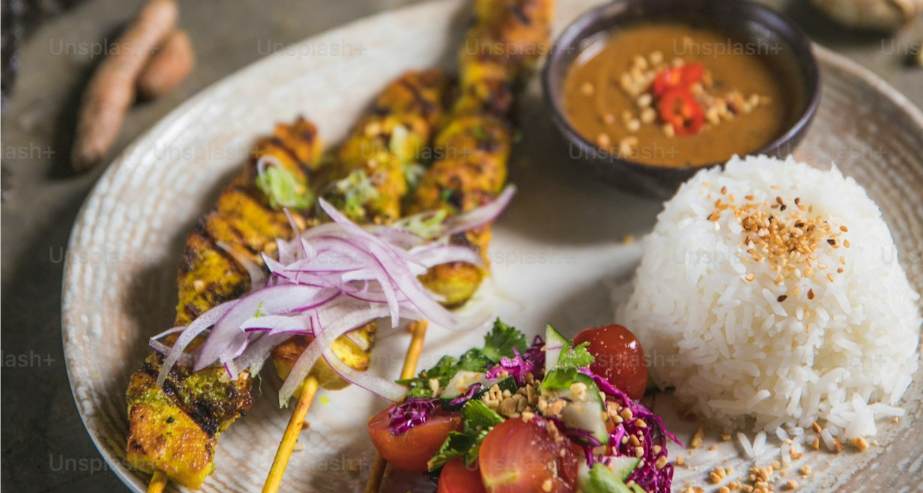
- Satay (Sate): Skewered and grilled meat with peanut sauce
- Gado-Gado: Vegetable salad with peanut sauce
- Soto: Traditional soup with regional variations
- Bakso: Meatball soup, popular street food
- Nasi Campur: Mixed rice with various side dishes
- Pisang Goreng: Fried bananas, popular snack
- Martabak: Stuffed pancake, sweet or savory
- Es Campur: Mixed ice dessert with various toppings
Best Places to Eat in Indonesia
- Jakarta: Street food in Glodok, Menteng, and Kemang; upscale restaurants in SCBD
- Yogyakarta: Malioboro Street food vendors, traditional warungs
- Bali: Ubud warungs, Seminyak restaurants, beachside cafes
- Bandung: Sundanese restaurants, street food markets
- Surabaya: Seafood restaurants, traditional Javanese eateries
- Padang: Rumah Makan Padang restaurants throughout Indonesia
- Makassar: Coto Makassar vendors, seafood restaurants
Indonesian Food Culture and Etiquette
- Eating with Hands: Common for traditional dishes, especially in Sumatra and Java
- Sharing Platters: Meals are often communal, especially in Padang restaurants
- Right Hand Only: Use your right hand for eating when eating with hands
- Polite Phrases: "Selamat makan" (enjoy your meal), "Terima kasih" (thank you)
- Tipping: 5-10% in restaurants is appreciated, not always expected
- Spice Levels: Indonesian food can be very spicy; ask for "tidak pedas" (not spicy) if needed
- Street Food: Very popular and safe if you choose busy vendors with high turnover
Street Food Culture in Indonesia
Indonesian street food (warung kaki lima) is an integral part of the culture. From morning until late night, street vendors offer everything from breakfast to midnight snacks.
Popular Street Food:
- Nasi Goreng: Fried rice from street carts
- Bakso: Meatball soup vendors
- Gado-Gado: Vegetable salad carts
- Martabak: Sweet and savory stuffed pancakes
- Pisang Goreng: Fried banana vendors
- Es Campur: Mixed ice dessert carts
- Sate: Grilled skewers from street vendors
Street Food Safety Tips:
- Choose vendors with high customer turnover
- Watch food being prepared fresh
- Avoid raw vegetables if you have a sensitive stomach
- Drink bottled water
- Start with mild dishes if you're not used to spicy food
Planning Your Indonesian Food Journey
- Apply for your Indonesia eVisa online before you travel (processing typically takes 2 hours to 2 working days)
- Research regional specialties to plan your route
- Book food tours in major cities like Jakarta, Yogyakarta, and Bali
- Try local markets for authentic flavors and experiences
- Be adventurous but start with milder dishes if you're sensitive to spice
- Learn basic phrases like "tidak pedas" (not spicy) and "berapa harganya?" (how much?)
- Enjoy the diverse tastes of Indonesia!
Ready to taste the best of Indonesia? Apply for your Indonesia eVisa today and start planning your culinary adventure. Our team provides expert guidance throughout the application process, ensuring you can focus on the flavors, aromas, and hospitality of Indonesia in 2026. From the spicy dishes of Padang to the ceremonial feasts of Bali, Indonesia offers a culinary journey like no other!
Related Articles

Indonesian Music, Arts & Culture 2026: Discover the Rich Cultural Heritage
Immerse yourself in Indonesia's vibrant arts and culture! From traditional gamelan music to contemporary art, discover the rich cultural heritage that makes Indonesia a fascinating destination in 2026.

Family-Friendly Indonesia 2026: Best Destinations for Traveling with Kids
Plan the perfect family vacation to Indonesia! Discover kid-friendly destinations, activities, and tips for traveling with children in 2026. From beaches to wildlife, find family fun across the archipelago.
Indonesia Shopping and Markets Guide 2026: Discover Unique Souvenirs and Local Crafts
Explore Indonesia's best shopping destinations and markets for 2026. From traditional markets to modern malls, discover unique souvenirs, local crafts, textiles, and authentic Indonesian products across the archipelago.