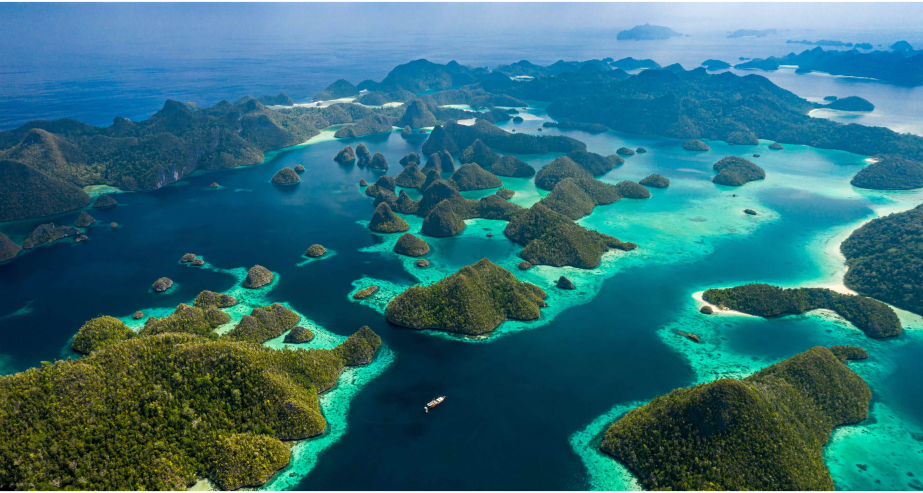
Indonesia's Best Diving Destinations 2026: World-Class Underwater Adventures
Indonesia is home to the world's most biodiverse marine ecosystems, making it one of the planet's premier diving destinations. With over 17,000 islands spanning the Coral Triangle, Indonesia offers unparalleled underwater experiences for divers of all levels. From the legendary Raja Ampat with its incredible biodiversity to Komodo National Park's manta rays and strong currents, and Bali's accessible wreck diving, this comprehensive guide will help you discover the best diving destinations across Indonesia for 2026.
Table of Contents
- Why Indonesia is a World-Class Diving Destination
- Raja Ampat – The Crown Jewel of Diving
- Komodo National Park – Manta Rays and Dragons
- Bali – Accessible Diving Paradise
- Bunaken – Wall Diving Excellence
- Wakatobi – Pristine Coral Reefs
- Alor – Remote Diving Adventure
- Derawan Islands – Manta Ray Paradise
- Nusa Penida – Mola Mola and Manta Rays
- Diving Seasons and Best Times to Visit
- Diving Safety and Tips
- Planning Your Indonesia Diving Trip
Why Indonesia is a World-Class Diving Destination
Indonesia sits at the heart of the Coral Triangle, the global center of marine biodiversity. This unique position creates exceptional diving conditions that attract divers from around the world.
Incredible Marine Biodiversity
- Coral Species: Over 600 species of hard corals (75% of world's total)
- Fish Species: More than 3,000 species of reef fish
- Marine Life: Manta rays, sharks, turtles, dolphins, and countless other species
- Ecosystems: Healthy coral reefs, walls, drop-offs, and macro diving sites
Diverse Diving Experiences
- Wall Diving: Spectacular vertical drop-offs
- Drift Diving: Strong currents bringing nutrients and marine life
- Wreck Diving: World War II wrecks and modern shipwrecks
- Macro Diving: Incredible small critters and rare species
- Muck Diving: Unique black sand diving for rare creatures
Destinations for Every Level
- Beginner-Friendly: Calm sites with easy access
- Intermediate: Moderate currents and depths
- Advanced: Strong currents, deep dives, technical diving
- Liveaboards: Multi-day diving expeditions to remote locations
Raja Ampat – The Crown Jewel of Diving
Location: West Papua, Eastern Indonesia
Best Time: October to April (calm seas, best visibility)
Difficulty: Intermediate to Advanced
Highlights: Highest marine biodiversity on Earth
Raja Ampat (Four Kings) is often called the "Amazon of the Seas" due to its incredible marine biodiversity. This remote archipelago in West Papua offers some of the world's most pristine and diverse diving.
Why Raja Ampat is Special
- Biodiversity: Highest concentration of marine species anywhere
- Healthy Reefs: Pristine coral reefs largely untouched by tourism
- Unique Species: Many endemic species found nowhere else
- Remote Location: Requires more planning but rewards with exclusivity
Top Dive Sites
- Cape Kri: Record-breaking fish counts (374 species in one dive)
- Manta Sandy: Cleaning station for manta rays
- Arborek Jetty: Macro paradise with rare critters
- Blue Magic: Drift dive with sharks and schooling fish
- Wayag: Spectacular above and below water scenery
Diving Details
- Visibility: 15-30 meters (50-100 feet) typically
- Water Temperature: 28-30°C (82-86°F)
- Currents: Moderate to strong, drift diving common
- Access: Liveaboard or resort-based diving
- Best For: Experienced divers seeking pristine reefs
Planning Your Raja Ampat Trip
- Liveaboards: 7-14 day trips to explore multiple sites
- Resorts: Land-based diving with daily boat trips
- Best Months: October to April for calmest conditions
- Getting There: Fly to Sorong, then boat transfer
- Budget: Premium destination, plan for higher costs
Komodo National Park – Manta Rays and Dragons
Location: Flores, East Nusa Tenggara
Best Time: April to December (dry season, best conditions)
Difficulty: Intermediate to Advanced
Highlights: Manta rays, strong currents, Komodo dragons
Komodo National Park offers world-class diving with guaranteed manta ray encounters, strong currents that bring nutrients and marine life, and the unique experience of seeing Komodo dragons on land.
Why Komodo is Famous
- Manta Rays: Guaranteed sightings at cleaning stations
- Strong Currents: Nutrient-rich waters supporting abundant marine life
- Diverse Sites: Walls, pinnacles, drift dives, and macro sites
- Unique Combination: World-class diving plus Komodo dragon encounters
Top Dive Sites
- Manta Point: Guaranteed manta ray encounters
- Crystal Rock: Strong currents, schooling fish, sharks
- Batu Bolong: Pinnacle with incredible fish life
- Castle Rock: Advanced drift dive with sharks
- Tatawa Besar: Drift dive with mantas and schooling fish
- Siaba Besar: Macro diving and manta cleaning station
Diving Details
- Visibility: 10-25 meters (33-82 feet)
- Water Temperature: 24-28°C (75-82°F), can be cooler
- Currents: Strong to very strong, advanced diving skills required
- Access: Liveaboard or Labuan Bajo-based diving
- Best For: Experienced divers comfortable with strong currents
Komodo Dragons
- Land Tours: See Komodo dragons on Rinca and Komodo islands
- Unique Experience: Combine world-class diving with wildlife viewing
- Safety: Always dive with experienced guides familiar with currents
Bali – Accessible Diving Paradise
Location: Bali, Indonesia
Best Time: April to October (dry season, best visibility)
Difficulty: Beginner to Advanced
Highlights: Wreck diving, accessible sites, diverse marine life
Bali offers the most accessible and diverse diving in Indonesia, with sites suitable for all levels, from beginner-friendly shallow reefs to advanced wreck diving and drift dives.
Why Bali is Popular
- Accessibility: Easy to reach, well-developed dive infrastructure
- Variety: Wrecks, reefs, walls, and macro diving all available
- All Levels: Sites for beginners through advanced divers
- Convenience: Combine diving with culture, beaches, and nightlife
Top Dive Sites
- USAT Liberty Wreck (Tulamben): World-famous accessible wreck dive
- Amed: Multiple sites, macro diving, black sand
- Nusa Penida: Mola mola (seasonal), manta rays, strong currents
- Padang Bai: Easy diving, good for beginners
- Menjangan Island: Wall diving, excellent visibility
- Crystal Bay: Mola mola sightings, beautiful reef
Diving Details
- Visibility: 10-30 meters (33-100 feet), varies by location
- Water Temperature: 26-29°C (79-84°F)
- Currents: Varies from calm to very strong (Nusa Penida)
- Access: Day trips from various locations around Bali
- Best For: All levels, especially good for beginners
Bali Diving Regions
- East Coast (Tulamben, Amed): Wreck diving, macro, accessible
- Nusa Penida: Advanced diving, mola mola, mantas
- North Coast (Menjangan): Wall diving, excellent visibility
- South Coast (Sanur, Padang Bai): Beginner-friendly sites
Bunaken – Wall Diving Excellence
Location: North Sulawesi, near Manado
Best Time: April to November (dry season)
Difficulty: Intermediate
Highlights: Spectacular wall diving, diverse marine life
Bunaken National Marine Park offers some of Indonesia's best wall diving, with vertical drop-offs covered in colorful soft corals and teeming with marine life.
Why Bunaken is Special
- Wall Diving: Spectacular vertical walls starting at shallow depths
- Soft Corals: Colorful and diverse coral formations
- Marine Life: Turtles, sharks, schooling fish, macro critters
- Accessibility: Easy to reach from Manado
Top Dive Sites
- Lekuan Wall: Long wall with incredible marine life
- Fukui Point: Wall dive with turtles and sharks
- Mike's Point: Beautiful wall with soft corals
- Sachiko's Point: Wall with diverse marine life
- Mandolin: Wall dive with excellent visibility
Diving Details
- Visibility: 15-30 meters (50-100 feet)
- Water Temperature: 27-29°C (81-84°F)
- Currents: Generally mild to moderate
- Access: Day trips from Manado or resort-based
- Best For: Intermediate divers, wall diving enthusiasts
Wakatobi – Pristine Coral Reefs
Location: Southeast Sulawesi
Best Time: April to December (dry season)
Difficulty: Beginner to Intermediate
Highlights: Pristine reefs, excellent visibility, resort diving
Wakatobi National Park offers pristine coral reefs with excellent visibility and a luxury resort experience, making it ideal for divers seeking both quality diving and comfort.
Why Wakatobi is Unique
- Pristine Reefs: Some of Indonesia's healthiest coral reefs
- Excellent Visibility: Consistently clear water
- Resort Experience: Luxury all-inclusive diving resort
- House Reef: World-class diving directly from the resort
Top Dive Sites
- House Reef: Accessible directly from resort, incredible diversity
- Cornucopia: Wall dive with abundant marine life
- Mari Mabuk: Beautiful reef with diverse corals
- Roma: Wall dive with excellent visibility
- Multiple Sites: Over 40 named dive sites
Diving Details
- Visibility: 20-40 meters (65-130 feet), excellent
- Water Temperature: 27-29°C (81-84°F)
- Currents: Generally mild
- Access: Fly to Wakatobi, resort-based diving
- Best For: All levels, especially good for beginners and photographers
Alor – Remote Diving Adventure
Location: Alor Archipelago, East Nusa Tenggara
Best Time: April to November (dry season)
Difficulty: Intermediate to Advanced
Highlights: Remote diving, unique critters, pristine reefs
Alor offers remote, adventurous diving with unique critters, pristine reefs, and the feeling of exploring untouched dive sites far from the crowds.
Why Alor is Special
- Remote Location: Fewer divers, pristine conditions
- Unique Critters: Rare and unusual marine life
- Pristine Reefs: Healthy, untouched coral ecosystems
- Adventure: Requires more effort but rewards with exclusivity
Top Dive Sites
- Kal's Dream: Wall dive with incredible marine life
- The Edge: Drop-off with sharks and schooling fish
- Cave Point: Unique cave diving experience
- Multiple Sites: Many unexplored and pristine locations
Diving Details
- Visibility: 15-25 meters (50-82 feet)
- Water Temperature: 26-28°C (79-82°F)
- Currents: Moderate to strong
- Access: Liveaboard or Alor-based diving
- Best For: Experienced divers seeking adventure
Derawan Islands – Manta Ray Paradise
Location: East Kalimantan
Best Time: March to October (dry season)
Difficulty: Beginner to Intermediate
Highlights: Manta rays, turtles, accessible diving
The Derawan Islands offer accessible manta ray encounters, excellent turtle diving, and relaxed diving suitable for all levels in a less-traveled part of Indonesia.
Why Derawan is Special
- Manta Rays: Guaranteed sightings at Sangalaki
- Turtle Diving: Excellent turtle encounters
- Accessibility: Suitable for all diving levels
- Less Crowded: Fewer tourists than more famous destinations
Top Dive Sites
- Sangalaki Manta Point: Guaranteed manta ray encounters
- Kakaban Lake: Unique jellyfish lake (snorkeling)
- Maratua: Wall diving and diverse marine life
- Derawan: Easy reef diving, turtles
Diving Details
- Visibility: 10-20 meters (33-65 feet)
- Water Temperature: 27-29°C (81-84°F)
- Currents: Generally mild
- Access: Fly to Berau, then boat to islands
- Best For: All levels, especially manta ray enthusiasts
Nusa Penida – Mola Mola and Manta Rays
Location: Off Bali's east coast
Best Time: July to October (mola mola season)
Difficulty: Advanced
Highlights: Mola mola (ocean sunfish), manta rays, strong currents
Nusa Penida offers advanced diving with the chance to see the elusive mola mola (ocean sunfish) during season, plus guaranteed manta ray encounters and challenging drift dives.
Why Nusa Penida is Famous
- Mola Mola: One of few places to reliably see ocean sunfish
- Manta Rays: Guaranteed sightings at cleaning stations
- Strong Currents: Advanced diving with abundant marine life
- Proximity to Bali: Easy day trips from mainland Bali
Top Dive Sites
- Crystal Bay: Mola mola sightings (July-October)
- Manta Point: Guaranteed manta ray encounters
- Manta Bay: Another manta cleaning station
- SD Point: Drift dive with diverse marine life
- Toyapakeh: Wall dive with strong currents
Diving Details
- Visibility: 10-25 meters (33-82 feet)
- Water Temperature: 22-28°C (72-82°F), can be cold
- Currents: Strong to very strong, advanced skills required
- Access: Day trips from Sanur or Nusa Lembongan
- Best For: Advanced divers comfortable with strong currents
Mola Mola Season
- Best Months: July to October
- Depth: Usually seen at 20-40 meters (65-130 feet)
- Water Temperature: Colder water brings them up
- Patience Required: Not guaranteed, but high probability in season
Diving Seasons and Best Times to Visit
Dry Season (April to October)
- Best Overall: Calmest seas, best visibility
- Raja Ampat: October to April (reverse season)
- Komodo: April to December
- Bali: April to October
- General: Most destinations best during dry season
Wet Season (November to March)
- Conditions: More rain, potentially rougher seas
- Advantages: Fewer crowds, lower prices
- Still Diveable: Many sites still accessible
- Raja Ampat: Actually best during this period
Specific Considerations
- Mola Mola: July to October (Nusa Penida)
- Manta Rays: Year-round at most locations
- Visibility: Generally best in dry season
- Currents: Vary by location and season
Diving Safety and Tips
Essential Safety Guidelines
- Dive Within Limits: Never exceed your certification level
- Current Awareness: Understand and respect currents
- Buddy System: Always dive with a buddy
- Equipment Check: Thoroughly check all equipment
- Health: Be honest about medical conditions
- Insurance: Ensure you have dive insurance
Indonesia-Specific Considerations
- Currents: Many sites have strong currents, dive with experienced guides
- Depth: Some sites are deep, monitor your depth and bottom time
- Marine Life: Respect marine life, maintain distance
- Decompression: Plan dives conservatively, especially on liveaboards
- Emergency Services: Know location of nearest decompression chamber
Equipment Recommendations
- Wetsuit: 3-5mm for most locations, thicker for Nusa Penida
- Computer: Essential for tracking depth and time
- SMB: Surface marker buoy for safety
- Torch: Useful for exploring wrecks and caves
- Camera: Underwater photography opportunities are incredible
Health and Medical
- Fitness: Ensure you're fit to dive
- Medications: Declare any medications to dive operators
- Flying: Wait 18-24 hours after diving before flying
- Hydration: Stay well-hydrated, especially in tropical heat
- Sun Protection: Protect yourself from strong tropical sun
Planning Your Indonesia Diving Trip
Choosing Your Destination
- Skill Level: Match destination to your experience
- Interests: Wrecks, walls, macro, mantas, or general reef diving
- Budget: Liveaboards and remote locations cost more
- Time: Allow adequate time for travel and diving
- Season: Consider best times for your chosen destination
Booking Options
- Liveaboards: Multi-day trips to remote locations
- Resorts: Land-based diving with daily boat trips
- Day Trips: From major tourist areas like Bali
- Dive Packages: Often better value than individual dives
Travel Planning
- Flights: Book early, especially for remote destinations
- Transfers: Arrange airport and boat transfers in advance
- Accommodation: Book early for peak season
- Visa: Ensure you have appropriate Indonesia eVisa
- Travel Insurance: Include dive coverage
What to Pack
- Certification Cards: Bring all dive certifications
- Logbook: Document your dives
- Personal Gear: Mask, snorkel, fins if you prefer your own
- Clothing: Light, quick-dry clothing
- Medications: Any personal medications
- Camera: If interested in underwater photography
Budget Considerations
- Liveaboards: Premium option, $200-500+ per day
- Resorts: Mid-range to luxury, $100-400+ per day
- Day Trips: Most affordable, $50-150 per day
- Equipment Rental: Additional costs if not bringing own gear
- Tips: Budget for dive guide and boat crew tips
Ready to explore Indonesia's underwater wonders? Apply for your Indonesia eVisa today and start planning your diving adventure. From the pristine reefs of Raja Ampat to the accessible wreck diving in Bali, Indonesia offers world-class diving experiences for every level. Whether you're seeking manta rays in Komodo, mola mola in Nusa Penida, or the incredible biodiversity of Raja Ampat, Indonesia's diving destinations will create memories that last a lifetime. Dive into the adventure of a lifetime in 2026!
Related Articles

Indonesian Music, Arts & Culture 2026: Discover the Rich Cultural Heritage
Immerse yourself in Indonesia's vibrant arts and culture! From traditional gamelan music to contemporary art, discover the rich cultural heritage that makes Indonesia a fascinating destination in 2026.
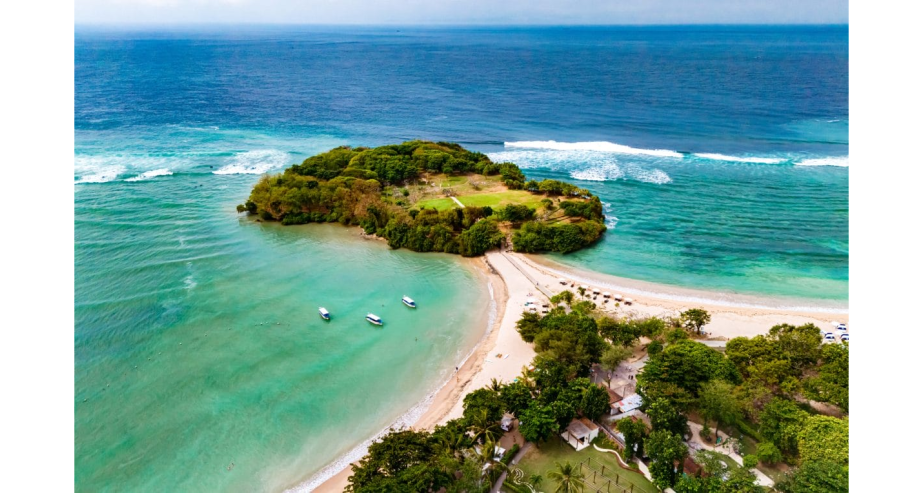
Family-Friendly Indonesia 2026: Best Destinations for Traveling with Kids
Plan the perfect family vacation to Indonesia! Discover kid-friendly destinations, activities, and tips for traveling with children in 2026. From beaches to wildlife, find family fun across the archipelago.
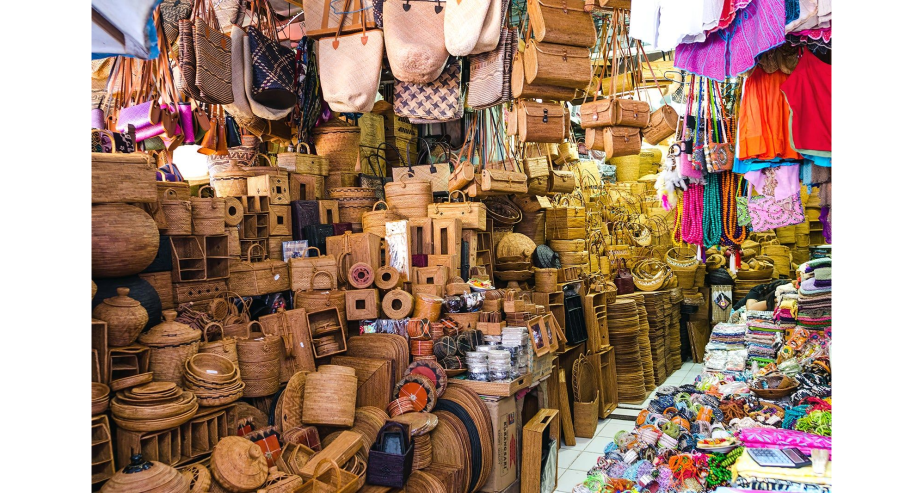
Indonesia Shopping and Markets Guide 2026: Discover Unique Souvenirs and Local Crafts
Explore Indonesia's best shopping destinations and markets for 2026. From traditional markets to modern malls, discover unique souvenirs, local crafts, textiles, and authentic Indonesian products across the archipelago.