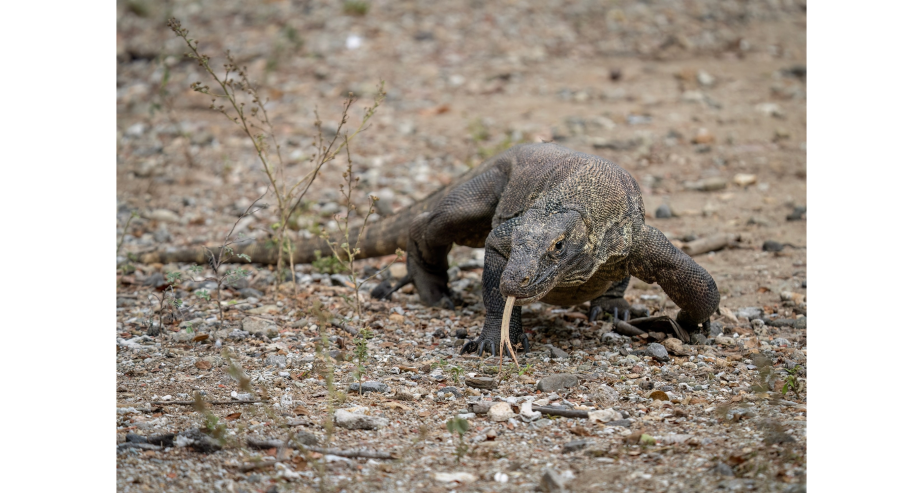
Indonesia Wildlife and Nature Encounters 2026: Discover Unique Animals and Natural Wonders
Indonesia is one of the world's most biodiverse countries, home to unique wildlife found nowhere else on Earth. From the legendary Komodo dragons to the gentle orangutans of Borneo and Sumatra, from the diverse birdlife to the incredible marine creatures, Indonesia offers unparalleled wildlife and nature experiences. This comprehensive guide will help you discover the best wildlife encounters, national parks, and natural wonders across Indonesia for your 2026 adventure.
Table of Contents
- Why Indonesia is a Wildlife Paradise
- Komodo Dragons – Living Dinosaurs
- Orangutans – Gentle Giants of the Forest
- Sumatran Tigers and Elephants
- Bird Watching in Indonesia
- Marine Wildlife Encounters
- National Parks and Protected Areas
- Jungle Trekking and Wildlife Spotting
- Best Time for Wildlife Viewing
- Wildlife Photography Tips
- Responsible Wildlife Tourism
- Planning Your Wildlife Adventure
Why Indonesia is a Wildlife Paradise
Indonesia's incredible biodiversity makes it one of the world's premier wildlife destinations, with unique species and diverse ecosystems found across its vast archipelago.
Incredible Biodiversity
- Unique Species: Many animals found only in Indonesia
- Diverse Habitats: Rainforests, coral reefs, savannas, mountains
- Endemic Wildlife: High percentage of endemic species
- Marine Life: World's most biodiverse marine ecosystems
- Bird Species: Over 1,700 bird species, many endemic
Iconic Wildlife
- Komodo Dragons: World's largest lizards, found only in Indonesia
- Orangutans: Great apes found only in Borneo and Sumatra
- Sumatran Tigers: Critically endangered big cats
- Elephants: Asian elephants in Sumatra
- Rhinoceros: Javan and Sumatran rhinos (extremely rare)
Conservation Success Stories
- Protected Areas: Extensive national park system
- Conservation Programs: Active wildlife conservation efforts
- Ecotourism: Tourism supporting conservation
- Research: Ongoing scientific research and monitoring
Komodo Dragons – Living Dinosaurs
Location: Komodo National Park, Flores, East Nusa Tenggara
Best Time: April to December (dry season)
Highlights: See world's largest lizards in their natural habitat
Accessibility: Requires travel to Flores
Komodo dragons are the world's largest lizards and one of Indonesia's most iconic wildlife species, found only in Komodo National Park and a few surrounding islands.
Why Komodo Dragons are Special
- Unique: Found only in Indonesia, nowhere else in the world
- Size: Can grow up to 3 meters (10 feet) and 70 kg (150 lbs)
- Predators: Apex predators in their ecosystem
- Ancient: Often called "living dinosaurs"
- Protected: UNESCO World Heritage Site
Where to See Komodo Dragons
Komodo Island:
- Main Location: Most reliable place to see dragons
- Guided Tours: Mandatory guided tours for safety
- Best Time: Morning when dragons are more active
- Safety: Always follow guide instructions
Rinca Island:
- Alternative Location: Also reliable for sightings
- Less Crowded: Often fewer tourists
- Wildlife: Also see other wildlife like deer and monkeys
- Scenery: Beautiful island landscapes
Padar Island:
- Scenic: Famous viewpoint, less reliable for dragons
- Landscape: Stunning island scenery
- Hiking: Beautiful hike to viewpoint
- Combination: Often combined with Komodo/Rinca visits
The Experience
Guided Tours:
- Mandatory Guides: Required for safety
- Safety Briefing: Important safety information provided
- Walking Tours: 1-2 hour guided walks
- Viewing Distance: Maintain safe distance (guides ensure this)
- Best Times: Early morning for most activity
What to Expect:
- Sightings: Very high probability of seeing dragons
- Behavior: May see dragons hunting, basking, or moving
- Size: Impressive size when seen up close
- Photography: Excellent photo opportunities
- Safety: Always follow guide instructions
Practical Information
- Base: Labuan Bajo, Flores
- Getting There: Fly to Labuan Bajo, then boat to islands
- Tours: Day trips or multi-day tours available
- Best Months: April to December
- Safety: Always use licensed guides, follow all safety rules
- Cost: $50-150+ for day trips depending on tour
Safety Guidelines
- Guides Required: Never visit without licensed guide
- Maintain Distance: Keep safe distance from dragons
- Follow Instructions: Always follow guide instructions
- No Running: Never run if approached (stand still)
- Respect: These are wild, dangerous animals
Orangutans – Gentle Giants of the Forest
Location: Borneo (Kalimantan) and Sumatra
Best Time: Year-round, dry season best (April to October)
Highlights: See great apes in rehabilitation centers and wild
Accessibility: Requires travel to Borneo or Sumatra
Orangutans are one of humanity's closest relatives and are found only in the rainforests of Borneo and Sumatra, making Indonesia one of only two countries where these magnificent apes can be seen in the wild.
Why Orangutans are Special
- Great Apes: One of only four great ape species
- Endangered: Critically endangered, conservation priority
- Intelligence: Highly intelligent, tool-using animals
- Gentle Nature: Generally gentle and peaceful
- Unique: Found only in Borneo and Sumatra
Where to See Orangutans
Borneo (Kalimantan):
Tanjung Puting National Park:
- Best Location: Excellent wild orangutan viewing
- Boat Tours: Multi-day river boat tours
- Wild Encounters: See orangutans in natural habitat
- Experience: Unique river-based wildlife viewing
- Duration: 2-4 day tours typical
Sepilok Orangutan Rehabilitation Centre (Sabah, Malaysia):
- Note: In Malaysian Borneo, but accessible
- Rehabilitation: See orangutans being rehabilitated
- Feeding Times: Scheduled feeding times for viewing
- Education: Learn about conservation efforts
Sumatra:
Bukit Lawang:
- Gunung Leuser National Park: Part of larger national park
- Wild Encounters: See orangutans in wild
- Trekking: Jungle trekking to find orangutans
- Rehabilitation: Also has rehabilitation center
- Accessibility: Easier to reach than some Borneo locations
Ketambe:
- Remote Location: More remote, fewer tourists
- Wild Viewing: Excellent wild orangutan viewing
- Trekking: Multi-day jungle treks
- Authentic: More authentic, less touristy experience
The Experience
Rehabilitation Centers:
- Feeding Times: Scheduled viewing during feeding
- Education: Learn about orangutan conservation
- Photography: Good photo opportunities
- Support Conservation: Entry fees support conservation
- Guaranteed Sightings: Very high probability of seeing orangutans
Wild Encounters:
- Trekking: Jungle trekking to find wild orangutans
- Patience Required: May require waiting and searching
- Rewarding: More authentic experience seeing wild animals
- Guides Essential: Experienced guides know where to look
- Respect Distance: Maintain respectful distance
Practical Information
Borneo:
- Getting There: Fly to Pangkalan Bun or other airports
- Tours: Multi-day tours typically required
- Accommodation: Boat-based or jungle lodges
- Best Months: April to October (dry season)
- Cost: $200-500+ for multi-day tours
Sumatra:
- Getting There: Fly to Medan, then drive to Bukit Lawang
- Tours: Day trips or multi-day treks available
- Accommodation: Range from budget to mid-range
- Best Months: April to October
- Cost: $50-200+ depending on tour type
Conservation and Ethics
- Support Conservation: Choose ethical operators
- Respect Distance: Maintain appropriate distance
- No Touching: Never attempt to touch orangutans
- Follow Rules: Follow all park and guide rules
- Support: Entry fees and tours support conservation efforts
Sumatran Tigers and Elephants
Location: Sumatra
Best Time: April to October (dry season)
Highlights: See critically endangered big cats and Asian elephants
Accessibility: Requires travel to Sumatra
Sumatra is home to critically endangered Sumatran tigers and Asian elephants, offering opportunities to see these magnificent animals in protected national parks.
Sumatran Tigers
Status: Critically endangered, extremely rare
Best Locations:
- Gunung Leuser National Park: Largest protected area
- Kerinci Seblat National Park: Important tiger habitat
- Way Kambas National Park: Also potential habitat
Viewing:
- Very Rare: Extremely difficult to see in wild
- Camera Traps: Often only seen via camera trap photos
- Conservation: Focus on supporting conservation efforts
- Respect: These are critically endangered, respect their habitat
Sumatran Elephants
Status: Endangered
Best Locations:
Way Kambas National Park:
- Elephant Conservation: Elephant conservation center
- Elephant Rides: Ethical elephant experiences (research operators)
- Wild Viewing: Potential to see wild elephants
- Education: Learn about elephant conservation
Gunung Leuser National Park:
- Wild Encounters: Potential wild elephant sightings
- Trekking: Jungle trekking opportunities
- Guides: Experienced guides know areas elephants frequent
Viewing:
- Conservation Centers: More reliable viewing at centers
- Wild Encounters: Possible but not guaranteed
- Ethical Considerations: Research operators for ethical practices
- Support Conservation: Choose operators supporting conservation
Practical Information
- Getting There: Fly to Medan or other Sumatra airports
- Tours: Multi-day tours typically required
- Best Months: April to October
- Guides: Experienced guides essential
- Cost: $100-300+ for tours
Bird Watching in Indonesia
Indonesia is a birdwatcher's paradise with over 1,700 bird species, including many endemic species found nowhere else in the world.
Why Indonesia is Great for Birding
- Species Diversity: Over 1,700 bird species
- Endemic Species: Many found only in Indonesia
- Diverse Habitats: Rainforests, mountains, wetlands, coasts
- Bird of Paradise: Multiple species of birds of paradise
- Accessibility: Many good birding locations accessible
Top Birding Destinations
West Papua (Papua):
- Birds of Paradise: Multiple species including Wilson's, Red, and others
- Endemic Species: Many Papua-endemic species
- Rainforest: Dense rainforest habitats
- Accessibility: Requires more planning and travel
Sulawesi:
- Endemic Species: Many Sulawesi-endemic birds
- Diverse Habitats: Various ecosystems
- Accessibility: More accessible than Papua
- Unique Species: Hornbills, kingfishers, and more
Java:
- National Parks: Good birding in national parks
- Accessibility: Easy to reach
- Species: Javan hawk-eagle, various endemics
- Combination: Easy to combine with other activities
Sumatra:
- Rainforest Birds: Excellent rainforest birding
- National Parks: Gunung Leuser and others
- Species: Hornbills, trogons, and many others
- Accessibility: Good access from major cities
Iconic Bird Species
- Birds of Paradise: Multiple spectacular species
- Hornbills: Various hornbill species
- Kingfishers: Many colorful kingfisher species
- Eagles: Various eagle species including Javan hawk-eagle
- Endemic Species: Many species found only in specific regions
Marine Wildlife Encounters
Indonesia's marine ecosystems are the world's most biodiverse, offering incredible opportunities for marine wildlife encounters.
Manta Rays
Best Locations:
- Komodo National Park: Guaranteed manta encounters
- Raja Ampat: Excellent manta viewing
- Nusa Penida: Manta cleaning stations
- Derawan Islands: Sangalaki manta point
Experiences:
- Diving: See mantas while diving
- Snorkeling: Also visible while snorkeling
- Cleaning Stations: See mantas at cleaning stations
- Guaranteed: Very high probability of sightings at right locations
Whale Sharks
Best Locations:
- Cenderawasih Bay: Excellent whale shark encounters
- Various Locations: Seasonal appearances in various locations
- Diving/Snorkeling: See while diving or snorkeling
Turtles
Best Locations:
- Gili Islands: Excellent turtle snorkeling
- Derawan Islands: Great turtle diving
- Various Locations: Many locations throughout Indonesia
Experiences:
- Snorkeling: Snorkel with turtles
- Diving: Dive with turtles
- Nesting: See nesting turtles (seasonal, with guides)
- Conservation: Support turtle conservation efforts
Dolphins
Best Locations:
- Lovina, Bali: Famous dolphin watching
- Various Locations: Many locations offer dolphin watching
- Boat Tours: Early morning boat tours
Other Marine Life
- Sharks: Various shark species including reef sharks
- Mola Mola: Ocean sunfish (Nusa Penida, seasonal)
- Diverse Fish: Incredible diversity of reef fish
- Coral: World's most diverse coral ecosystems
National Parks and Protected Areas
Indonesia has an extensive system of national parks protecting diverse ecosystems and wildlife.
Top National Parks for Wildlife
Komodo National Park:
- Highlights: Komodo dragons, excellent diving
- UNESCO: World Heritage Site
- Accessibility: Requires travel to Flores
Gunung Leuser National Park:
- Highlights: Orangutans, tigers, elephants
- Size: One of largest national parks
- Accessibility: Accessible from Medan
Tanjung Puting National Park:
- Highlights: Orangutans, proboscis monkeys
- Experience: River-based wildlife viewing
- Accessibility: Requires travel to Central Kalimantan
Way Kambas National Park:
- Highlights: Elephants, rhinos (very rare)
- Conservation: Important conservation area
- Accessibility: Accessible from Bandar Lampung
Ujung Kulon National Park:
- Highlights: Javan rhinos (extremely rare), diverse wildlife
- UNESCO: World Heritage Site
- Accessibility: West Java
Park Information
- Entry Fees: Vary by park, typically $10-30
- Guides: Often required or highly recommended
- Accommodation: Range from basic to mid-range
- Best Times: Dry season generally best
- Permits: Some parks require advance permits
Jungle Trekking and Wildlife Spotting
Jungle trekking offers opportunities to see wildlife in their natural habitats while experiencing Indonesia's incredible rainforests.
Best Locations for Jungle Trekking
Sumatra:
- Gunung Leuser: Orangutans, various wildlife
- Kerinci Seblat: Tigers (rare), diverse wildlife
- Various: Many good trekking locations
Borneo:
- Tanjung Puting: River-based, orangutans
- Various: Many jungle trekking opportunities
Java:
- Various National Parks: Good trekking opportunities
- Accessibility: Easy to reach
What to Expect
- Duration: Day trips to multi-day treks
- Difficulty: Varies from easy to challenging
- Wildlife: No guarantees, but good chances with guides
- Terrain: Dense jungle, sometimes challenging
- Guides: Essential for safety and finding wildlife
Practical Tips
- Guides: Always use experienced guides
- Fitness: Ensure adequate fitness level
- Equipment: Good hiking boots, appropriate clothing
- Patience: Wildlife viewing requires patience
- Respect: Respect wildlife and their habitat
Best Time for Wildlife Viewing
Dry Season (April to October)
- Best Overall: Generally best for wildlife viewing
- Accessibility: Easier access to parks and areas
- Weather: More comfortable conditions
- Visibility: Better visibility in forests
- Peak Season: More crowded, book in advance
Wet Season (November to March)
- Conditions: More rain, potentially more challenging
- Advantages: Fewer crowds, lower prices
- Wildlife: Still good wildlife viewing possible
- Lush Vegetation: More lush, green landscapes
- Considerations: Some areas may be less accessible
Specific Considerations
- Orangutans: Year-round, dry season best
- Komodo Dragons: Year-round, dry season best
- Marine Life: Varies by species and location
- Birds: Year-round, some seasonal migrations
- Check Locally: Specific best times for different species
Wildlife Photography Tips
Equipment
- Camera: DSLR or mirrorless with good zoom lens
- Lens: Telephoto lens for wildlife (200mm+)
- Backup: Extra batteries and memory cards
- Protection: Weather protection for equipment
- Tripod: Useful for stability
Techniques
- Patience: Wildlife photography requires patience
- Light: Early morning and late afternoon best light
- Composition: Consider backgrounds and composition
- Settings: Fast shutter speed for moving animals
- Respect: Never disturb animals for photos
Ethics
- Distance: Maintain appropriate distance
- No Baiting: Don't use bait to attract animals
- Respect: Respect wildlife and their behavior
- Guides: Follow guide instructions
- Conservation: Support conservation through ethical practices
Responsible Wildlife Tourism
Choose Ethical Operators
- Research: Research operators before booking
- Conservation: Support operators supporting conservation
- Animal Welfare: Avoid operators with poor animal welfare
- Local Communities: Support operators benefiting local communities
- Certifications: Look for certifications and memberships
Responsible Behavior
- Distance: Maintain appropriate distance from wildlife
- No Touching: Never attempt to touch wild animals
- No Feeding: Don't feed wild animals
- Quiet: Keep noise levels down
- Litter: Never leave litter, take everything out
Support Conservation
- Entry Fees: Park entry fees support conservation
- Donations: Consider donations to conservation organizations
- Education: Learn about conservation challenges
- Spread Awareness: Share knowledge about conservation
- Choose Wisely: Support ethical and conservation-focused tourism
Planning Your Wildlife Adventure
Choosing Your Wildlife Experiences
- Interests: Which animals do you most want to see?
- Time Available: Match experiences to your schedule
- Budget: Consider costs of different experiences
- Fitness Level: Some experiences require good fitness
- Accessibility: Consider travel requirements
Booking Tours
- Research: Thoroughly research operators
- Reviews: Read reviews from previous travelers
- Ethics: Choose ethical operators
- Safety: Ensure operators prioritize safety
- Booking: Book in advance, especially peak season
Travel Planning
- Flights: Book flights to appropriate airports
- Accommodation: Book hotels near wildlife areas
- Transfers: Arrange transport to national parks
- Visa: Ensure appropriate Indonesia eVisa
- Travel Insurance: Include coverage for activities
What to Pack
- Clothing: Light, quick-dry, neutral colors
- Footwear: Good hiking boots
- Binoculars: For wildlife viewing
- Camera: For photography
- Insect Repellent: Essential in tropical areas
- Sun Protection: Hat, sunscreen, sunglasses
Ready to encounter Indonesia's incredible wildlife? Apply for your Indonesia eVisa today and start planning your wildlife adventure. From the legendary Komodo dragons to the gentle orangutans, from the diverse birdlife to the incredible marine creatures, Indonesia offers unparalleled wildlife experiences. Whether you're seeking iconic species like Komodo dragons and orangutans, or want to explore the incredible biodiversity of Indonesia's national parks, your wildlife adventure in 2026 will create memories that last a lifetime. Experience the natural wonders of Indonesia!
Related Articles

Indonesian Music, Arts & Culture 2026: Discover the Rich Cultural Heritage
Immerse yourself in Indonesia's vibrant arts and culture! From traditional gamelan music to contemporary art, discover the rich cultural heritage that makes Indonesia a fascinating destination in 2026.
Family-Friendly Indonesia 2026: Best Destinations for Traveling with Kids
Plan the perfect family vacation to Indonesia! Discover kid-friendly destinations, activities, and tips for traveling with children in 2026. From beaches to wildlife, find family fun across the archipelago.
Indonesia Shopping and Markets Guide 2026: Discover Unique Souvenirs and Local Crafts
Explore Indonesia's best shopping destinations and markets for 2026. From traditional markets to modern malls, discover unique souvenirs, local crafts, textiles, and authentic Indonesian products across the archipelago.