Komodo Dragons & Wildlife Wonders of Indonesia 2026: Ultimate Guide to Natural Encounters
Are you dreaming of witnessing some of the world's most unique and spectacular wildlife? Indonesia is home to an incredible array of endemic species, from the legendary Komodo dragons to orangutans, tigers, and some of the world's most diverse marine life. As you prepare your Indonesia eVisa application, discover why visiting Indonesia in 2026 will give you unforgettable wildlife experiences across its 17,000+ islands.
Table of Contents
- Why Indonesia is a Wildlife Paradise
- Komodo National Park: Home of the Dragons
- Orangutan Sanctuaries: Sumatra and Borneo
- Tiger Conservation: Sumatra's Last Tigers
- Marine Life and Diving Paradise
- Bird Watching in Indonesia
- Best Time to Visit for Wildlife
- Wildlife Photography Tips
- Conservation and Responsible Tourism
- Planning Your Wildlife Adventure
Why Indonesia is a Wildlife Paradise
Indonesia is one of the world's most biodiverse countries, home to unique species found nowhere else on Earth. The archipelago spans three major biogeographic zones, creating incredible diversity.
Incredible Biodiversity:
- Mammals: 515+ species including orangutans, tigers, elephants, and Komodo dragons
- Birds: Over 1,700 species including the famous birds of paradise
- Marine Life: Over 3,000 fish species, coral reefs, and marine mammals
- Reptiles: Komodo dragons, sea turtles, and numerous snake species
- Endemic Species: Many species found only in Indonesia
World-Famous Wildlife Destinations:
- Komodo National Park: Home to the world's largest lizards
- Sumatra: Orangutans, tigers, and elephants
- Borneo (Kalimantan): Orangutans, proboscis monkeys, and clouded leopards
- Raja Ampat: Most biodiverse marine ecosystem on Earth
- Bali Barat National Park: Bird watching and deer
Adventure for Every Interest:
- Land-based wildlife: Komodo dragons, orangutans, tigers
- Marine encounters: Diving, snorkeling, whale watching
- Bird watching: Endemic species and migratory birds
- Conservation experiences: Volunteer opportunities and educational tours
Komodo National Park: Home of the Dragons
Location: Komodo, Rinca, and Padar Islands, East Nusa Tenggara
Best Time to Visit: April to December (dry season)
Wildlife Highlights: Komodo dragons, deer, wild boar, birds, marine life
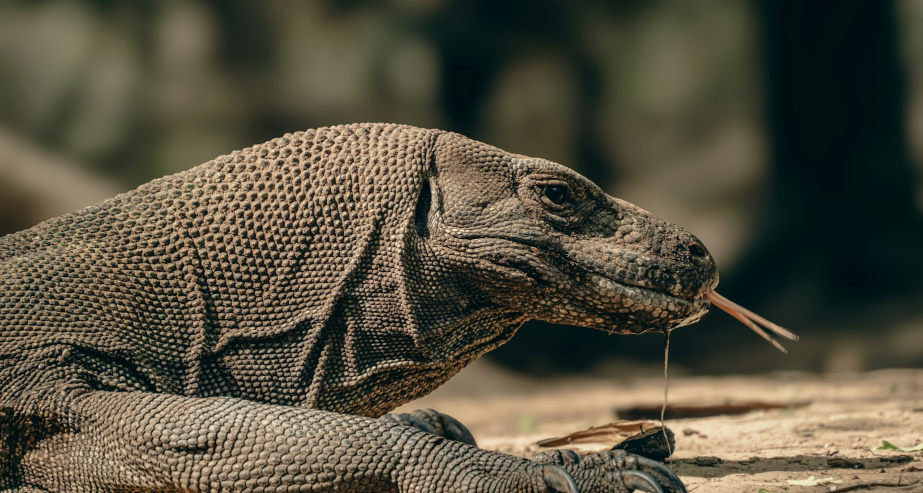
Komodo National Park is a UNESCO World Heritage Site and the only place on Earth where you can see Komodo dragons in the wild. These ancient reptiles can grow up to 3 meters (10 feet) long and weigh over 70 kg (150 lbs).
What You'll See:
- Komodo Dragons: The world's largest lizards, apex predators
- Deer and Wild Boar: Primary prey for Komodo dragons
- Marine Life: Manta rays, dolphins, and diverse fish species
- Birds: Over 70 species including the orange-footed scrubfowl
- Stunning Landscapes: Volcanic islands, pink beaches, and crystal-clear waters
Best Viewing Times:
- Early Morning: Dragons are more active when temperatures are cooler
- Late Afternoon: Another active period for hunting
- Dry Season (April-December): Best weather and visibility
Komodo Dragon Facts:
- Size: Up to 3 meters (10 feet) long, 70+ kg (150+ lbs)
- Venom: They have venomous saliva that causes slow death
- Diet: Deer, wild boar, water buffalo, and occasionally humans
- Lifespan: Up to 30 years in the wild
- Conservation Status: Vulnerable, protected species
Where to Stay:
- Labuan Bajo: Gateway town with hotels and resorts
- Liveaboard Boats: Multi-day cruises around the islands
- Komodo Island: Basic accommodation available
- Rinca Island: Limited accommodation options
Safety Tips for Komodo Encounters:
- Always go with a guide: Rangers are mandatory and essential for safety
- Keep your distance: Stay at least 3 meters away from dragons
- Don't run: Move slowly and calmly if a dragon approaches
- Follow guide instructions: They know the dragons' behavior
- No sudden movements: Avoid startling the animals
Orangutan Sanctuaries: Sumatra and Borneo
Location: Tanjung Puting (Borneo), Gunung Leuser (Sumatra), Sepilok (Borneo)
Best Time to Visit: Year-round, but dry season (May-September) is best
Wildlife Highlights: Orangutans, proboscis monkeys, gibbons, hornbills
Indonesia is home to the world's last remaining wild orangutans, found only in Sumatra and Borneo (Kalimantan). These intelligent great apes are critically endangered.
Tanjung Puting National Park, Borneo:
- Location: Central Kalimantan
- Highlights: Largest wild orangutan population, river cruises
- Activities: Boat safaris, jungle trekking, feeding stations
- Best for: Seeing orangutans in their natural habitat
Gunung Leuser National Park, Sumatra:
- Location: North Sumatra and Aceh
- Highlights: Sumatran orangutans, tigers, elephants
- Activities: Jungle trekking, river rafting, wildlife watching
- Best for: Multi-species wildlife encounters
Sepilok Orangutan Rehabilitation Centre, Borneo:
- Location: Sabah, Malaysian Borneo (near Indonesian border)
- Highlights: Rehabilitation center with feeding times
- Activities: Educational tours, feeding observations
- Best for: Learning about orangutan conservation
Orangutan Viewing Tips:
- Early morning visits: Orangutans are most active in the morning
- Patience required: Wildlife viewing requires time and patience
- Quiet observation: Keep noise to a minimum
- Respect distance: Don't approach too closely
- Support conservation: Choose responsible tour operators
Tiger Conservation: Sumatra's Last Tigers
Location: Gunung Leuser, Kerinci Seblat, Bukit Barisan Selatan National Parks
Best Time to Visit: May to September (dry season)
Wildlife Highlights: Sumatran tigers, elephants, rhinos, tapirs
The Sumatran tiger is the last remaining tiger species in Indonesia and is critically endangered with fewer than 400 individuals remaining in the wild.
Best Places to See Tigers:
- Gunung Leuser National Park: Largest protected area
- Kerinci Seblat National Park: Highest tiger density
- Bukit Barisan Selatan National Park: Southern Sumatra
Tiger Viewing Reality:
- Very rare sightings: Tigers are elusive and sightings are extremely rare
- Indirect evidence: Tracks, scat, and camera trap photos are more common
- Conservation focus: Tours often focus on conservation and habitat protection
- Support conservation: Your visit supports tiger protection efforts
Marine Life and Diving Paradise
Indonesia has some of the world's most diverse marine ecosystems, with over 3,000 fish species and incredible coral reefs.
Raja Ampat, West Papua:
- Location: Off the coast of West Papua
- Highlights: Most biodiverse marine ecosystem on Earth
- Marine Life: 1,500+ fish species, 600+ coral species, manta rays, sharks
- Best for: World-class diving and snorkeling
- Best Time: October to April (calm seas)
Bunaken National Marine Park, North Sulawesi:
- Location: Off the coast of Manado
- Highlights: Wall diving, diverse marine life
- Marine Life: Turtles, sharks, colorful reef fish
- Best for: Diving enthusiasts
Komodo National Park:
- Location: East Nusa Tenggara
- Highlights: Manta rays, diverse fish, strong currents
- Marine Life: Manta rays, sharks, reef fish, dolphins
- Best for: Advanced divers (strong currents)
Bali Diving:
- Location: Various sites around Bali
- Highlights: Accessible diving, diverse sites
- Marine Life: Reef fish, turtles, occasional mola mola
- Best for: All skill levels
Bird Watching in Indonesia
Indonesia is a birdwatcher's paradise with over 1,700 species, including many endemic species found nowhere else.
Birds of Paradise:
- Location: Papua and West Papua
- Highlights: Most spectacular bird species on Earth
- Best Time: Year-round, but breeding season (May-October) is best
- Species: Greater bird of paradise, Wilson's bird of paradise, and many more
Java and Sumatra:
- Endemic species: Javan hawk-eagle, Sumatran laughingthrush
- Migratory birds: Many species pass through during migration
- Best locations: National parks and protected areas
Sulawesi:
- Endemic species: Maleo, Sulawesi hornbill
- Unique habitats: Various ecosystems support diverse birdlife
Best Time to Visit for Wildlife
Dry Season (April to October):
- Best for: Most wildlife viewing, especially Komodo dragons
- Weather: Dry, sunny, best visibility
- Marine conditions: Calmer seas for diving and boat trips
- Crowds: Peak season, book in advance
Wet Season (November to March):
- Best for: Bird watching, fewer crowds
- Weather: Rainy, but wildlife is still active
- Marine conditions: Can be rougher, some areas inaccessible
- Advantages: Lower prices, fewer tourists
Wildlife Photography Tips
- Early morning light: Best for photography
- Long lenses: Essential for wildlife photography
- Patience: Wildlife requires time and patience
- Respect distance: Don't disturb animals for photos
- Local guides: They know where to find wildlife
- Camera settings: Fast shutter speeds for moving animals
- Backup equipment: Bring extra batteries and memory cards
Conservation and Responsible Tourism
Indonesia's wildlife faces numerous threats including habitat loss, poaching, and climate change. Responsible tourism helps support conservation efforts.
How to Support Conservation:
- Choose responsible operators: Support companies that contribute to conservation
- Follow park rules: Respect regulations and guidelines
- Don't feed wildlife: Feeding disrupts natural behavior
- Support local communities: Tourism should benefit local people
- Reduce plastic: Bring reusable water bottles, avoid single-use plastic
- Stay on trails: Don't damage habitat
- Report violations: If you see illegal activities, report them
Conservation Organizations:
- WWF Indonesia: Wildlife and habitat protection
- Orangutan Foundation: Orangutan conservation
- Komodo Survival Program: Komodo dragon research and protection
- Raja Ampat Research and Conservation Centre: Marine conservation
Planning Your Wildlife Adventure
- Apply for your Indonesia eVisa online before you travel (processing typically takes 2 hours to 2 working days)
- Choose your destinations based on wildlife interests
- Book tours in advance especially during peak season
- Pack appropriately for jungle and marine environments
- Respect wildlife and follow all safety guidelines
- Support conservation by choosing responsible operators
- Enjoy Indonesia's incredible wildlife!
Ready to witness Indonesia's incredible wildlife? Apply for your Indonesia eVisa today and start planning your wildlife adventure. Our team provides expert guidance throughout the application process, ensuring you can focus on experiencing the natural wonders of Indonesia in 2026. From the legendary Komodo dragons to the gentle orangutans, Indonesia offers wildlife encounters that will create memories to last a lifetime!
Related Articles

Indonesian Music, Arts & Culture 2026: Discover the Rich Cultural Heritage
Immerse yourself in Indonesia's vibrant arts and culture! From traditional gamelan music to contemporary art, discover the rich cultural heritage that makes Indonesia a fascinating destination in 2026.
Family-Friendly Indonesia 2026: Best Destinations for Traveling with Kids
Plan the perfect family vacation to Indonesia! Discover kid-friendly destinations, activities, and tips for traveling with children in 2026. From beaches to wildlife, find family fun across the archipelago.

Indonesia Shopping and Markets Guide 2026: Discover Unique Souvenirs and Local Crafts
Explore Indonesia's best shopping destinations and markets for 2026. From traditional markets to modern malls, discover unique souvenirs, local crafts, textiles, and authentic Indonesian products across the archipelago.